AI Got You Hooked. Now Comes the Bill.
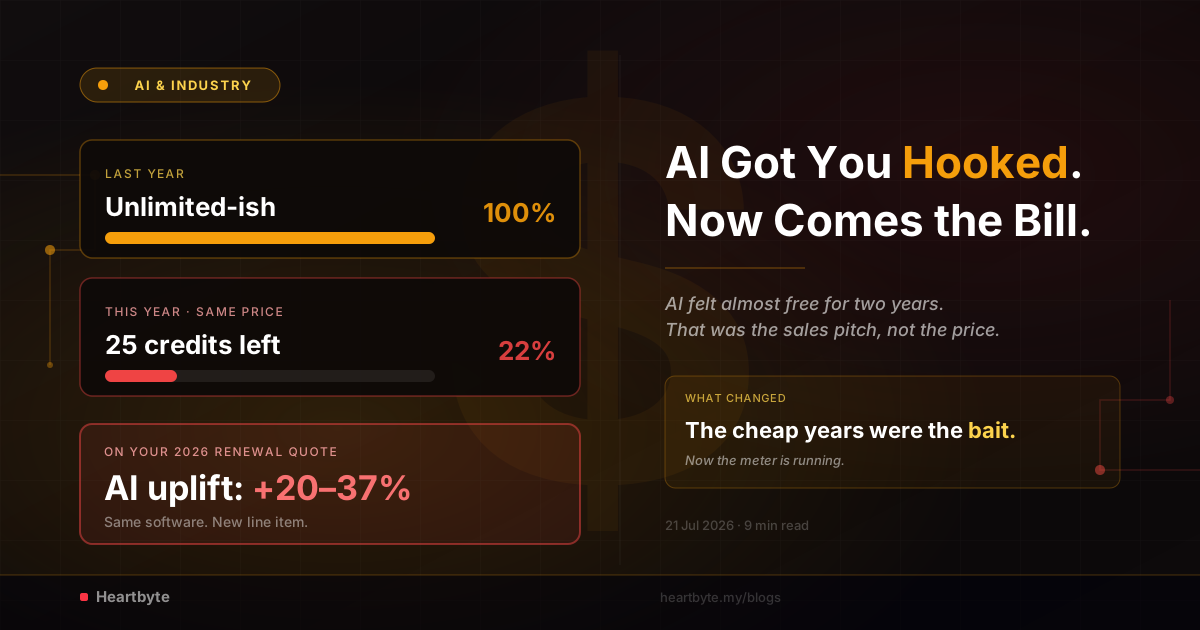
Credits run out by the third week, your quota shrank inside a plan you already pay for, and the renewal quote has an AI line nobody can explain. That wasn't a glitch. That was always the plan.
Heartbyte
Honest takes on software engineering, AI, and the technology decisions that actually matter for your business.
Credits run out by the third week, your quota shrank inside a plan you already pay for, and the renewal quote has an AI line nobody can explain. That wasn't a glitch. That was always the plan.
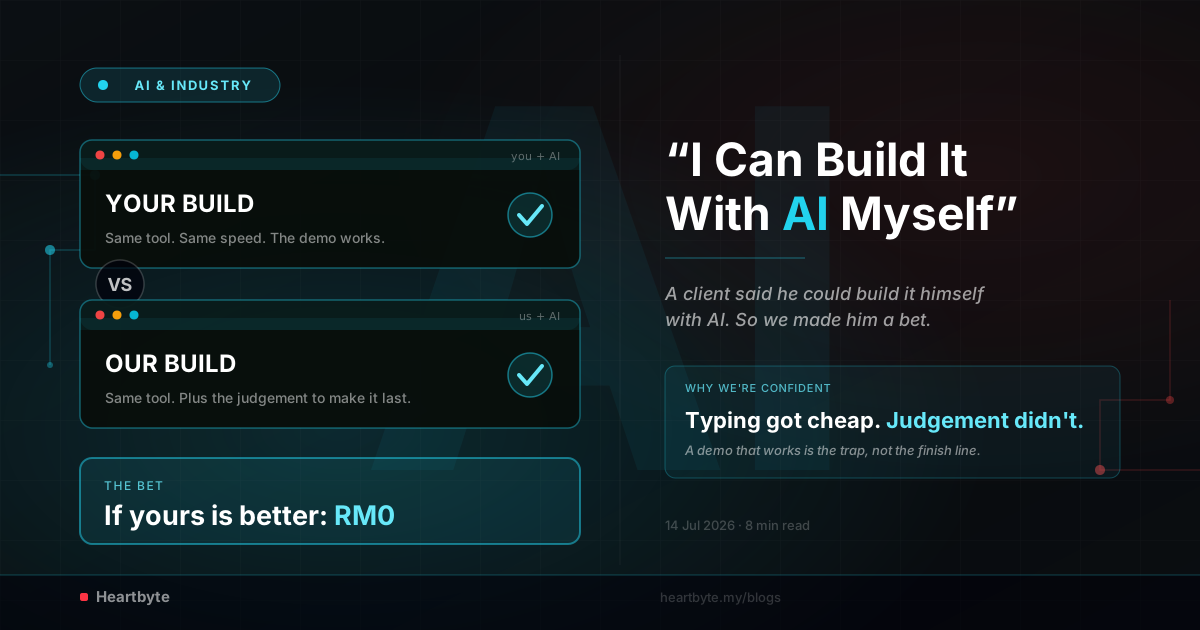
A client said he could build it himself with AI now, so why pay us? Fair. So we made him a bet: we'll build the same thing with AI. If yours is better, you don't pay a cent.
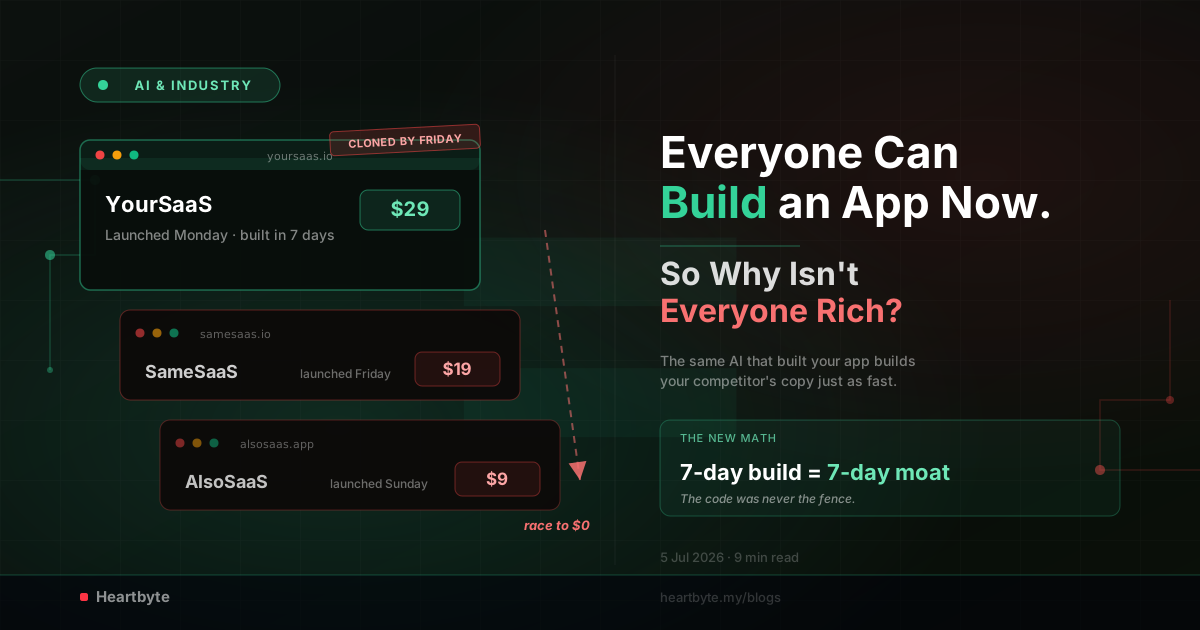
Say the guru is right and you really can ship a SaaS in seven days. So can everyone else, and the clones arrive by week two. A seven-day build buys a seven-day head start — the moat was never the code.
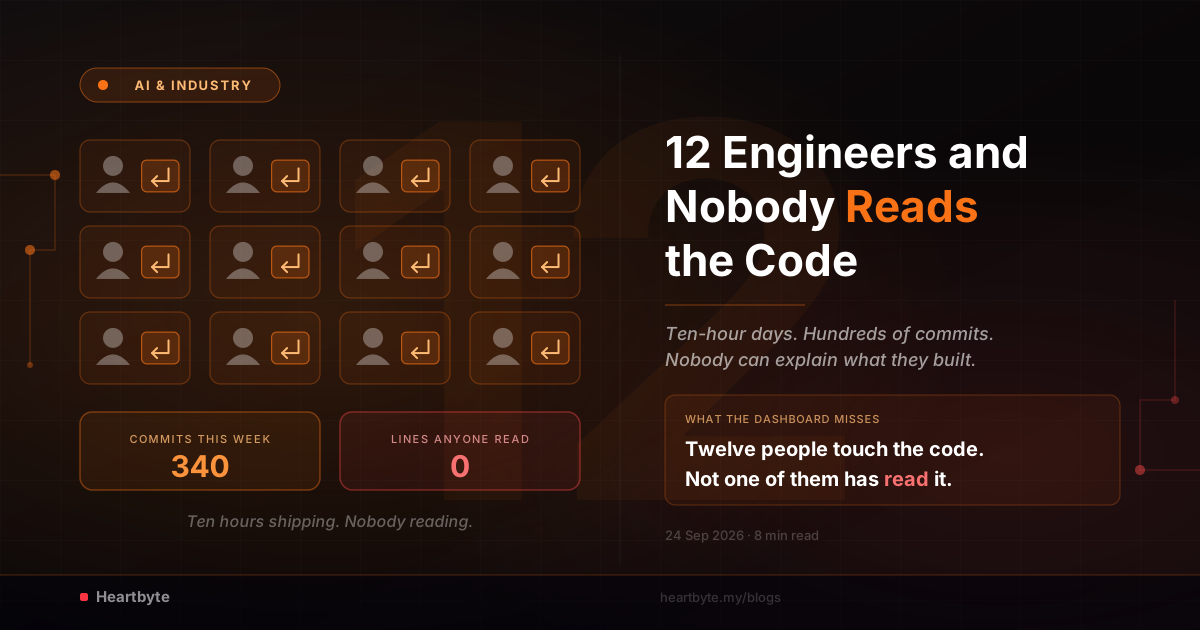
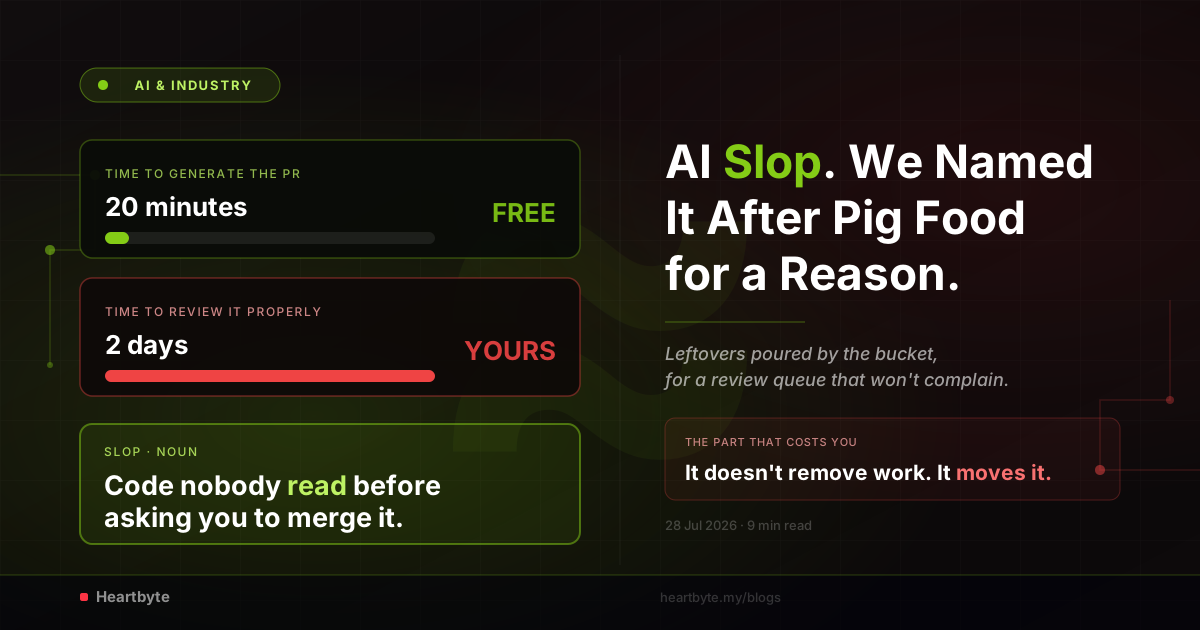
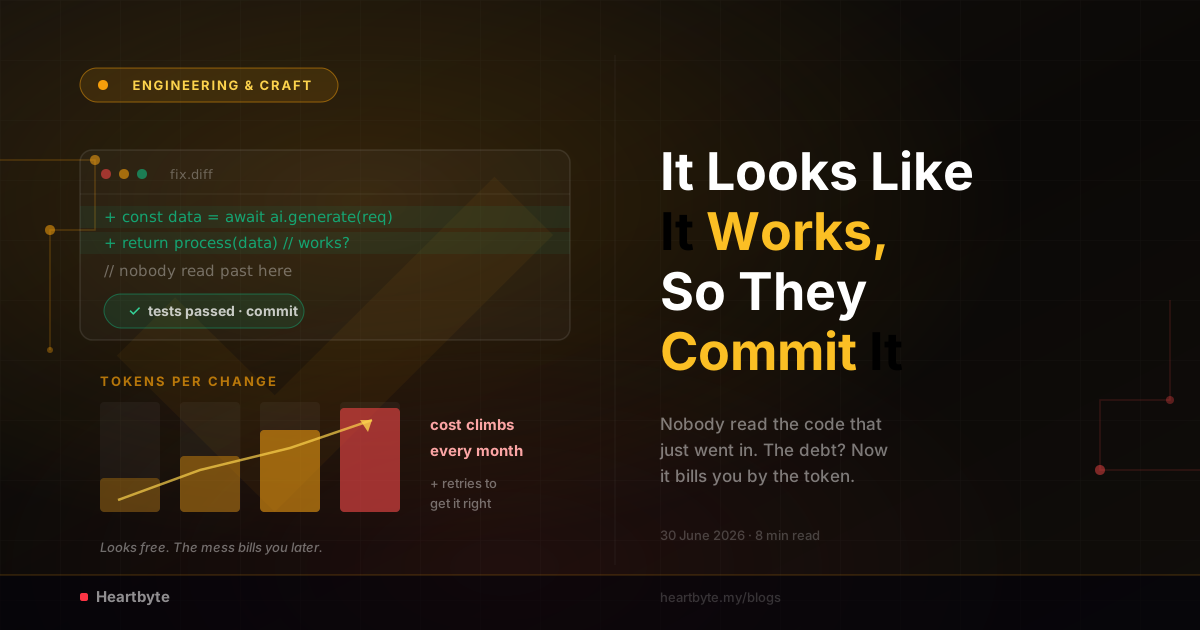
Developers paste AI output, see it run, and commit it without reading a line. The debt piles up fast — and now there's a new bill attached: a messy codebase makes every AI prompt cost more tokens and more retries.
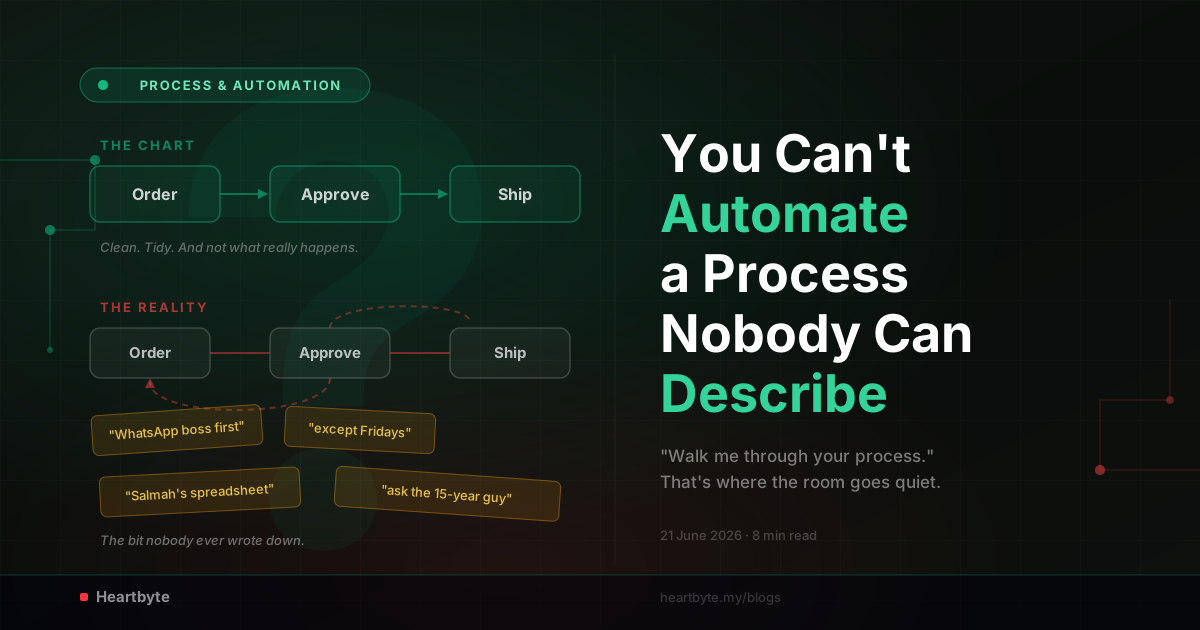
Every business wants their process automated. Almost none can describe it when we first sit down. The real process lives in habits, workarounds, and tribal knowledge nobody ever wrote down — and that's the hard part.
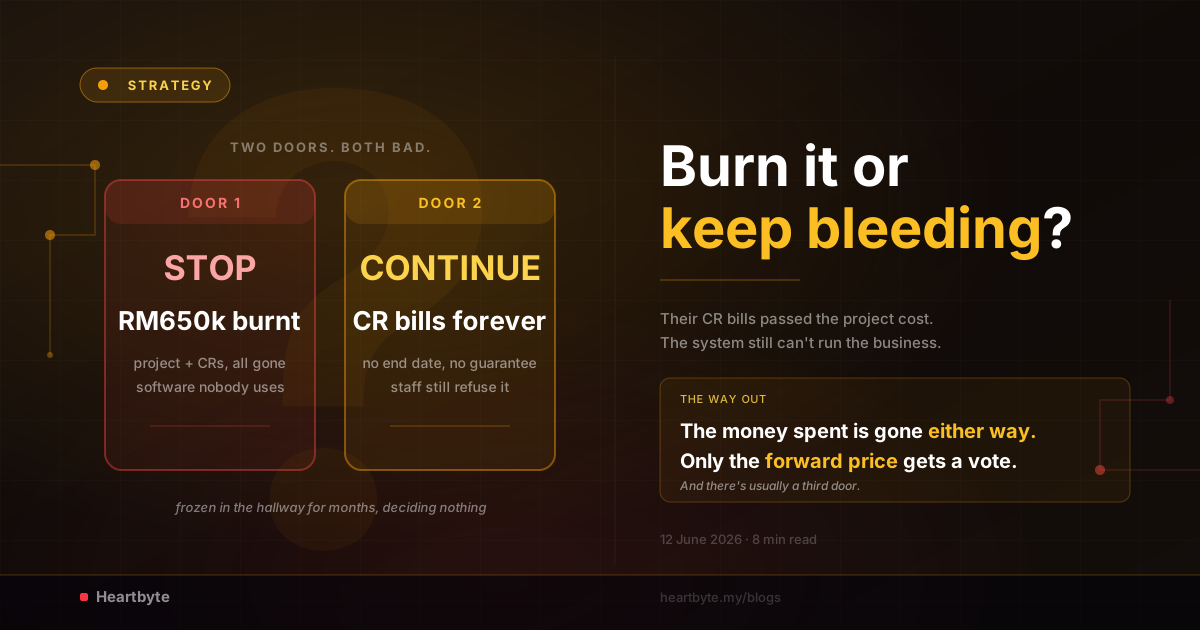
A company came to us with CR bills bigger than the original project, a signed-off system their staff refuse to use, and a decision they couldn't make: walk away and burn everything, or keep paying. Here's the way out.
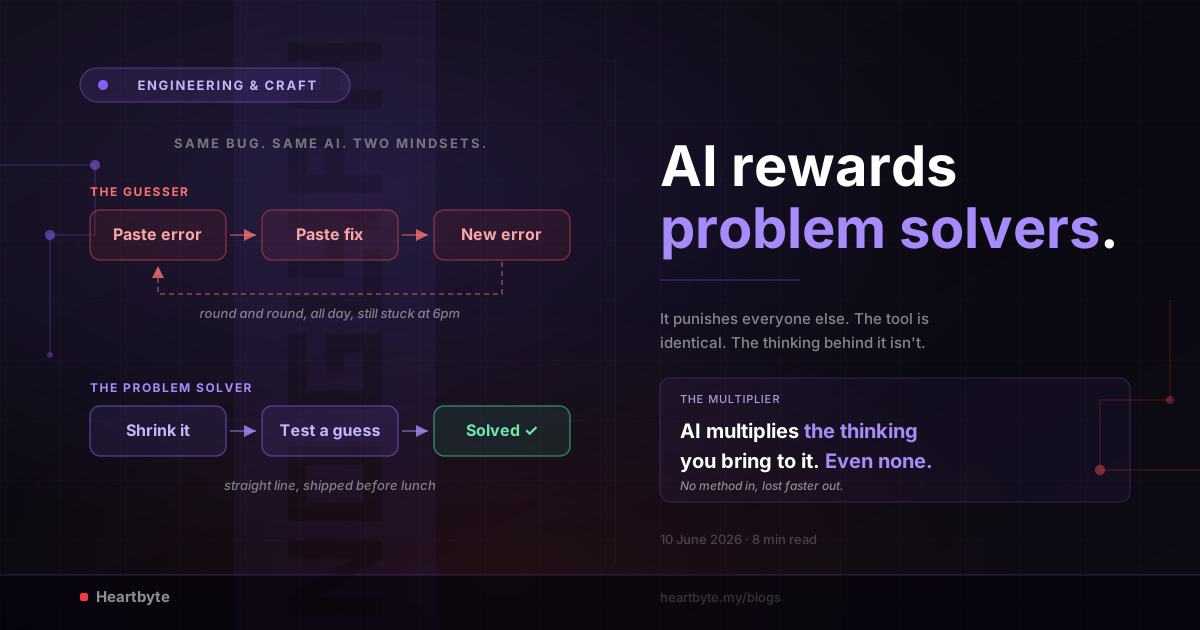
Two developers, the same AI, the same bug. One ships before lunch; the other is still pasting error messages at 6pm. AI multiplies whatever thinking you bring to it — which is why the gap between developers just got wider.
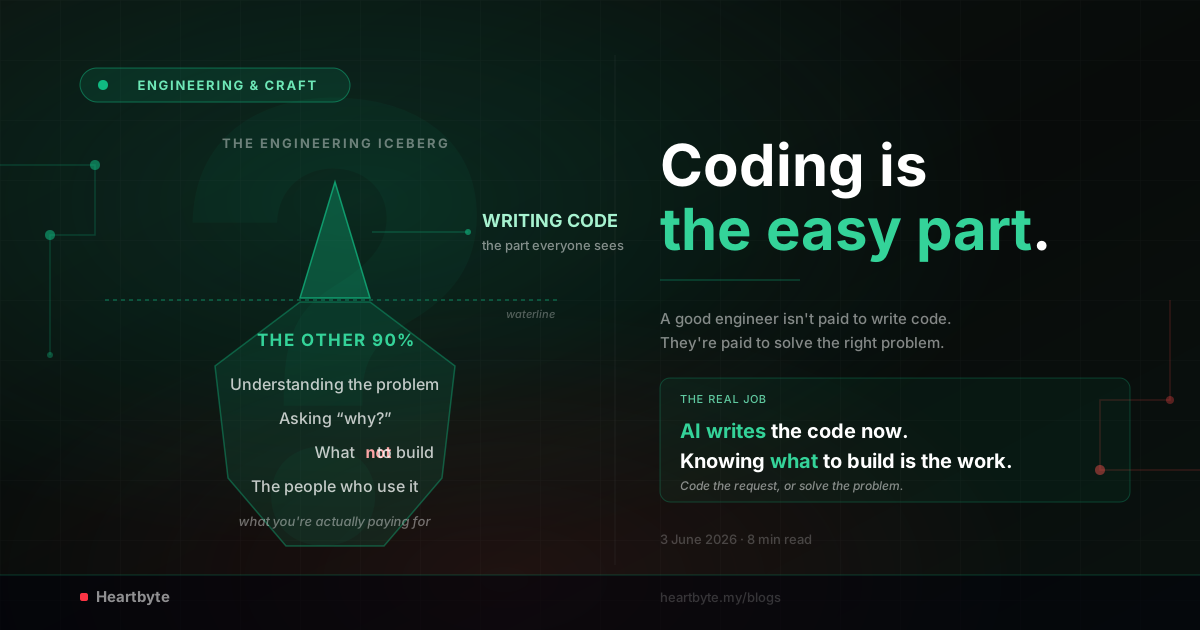
Everyone says coding is cheap now that AI writes it. They're right — and that's exactly the point. If coding got cheap, the value was never there. A good engineer is paid to solve the right problem, not to type.
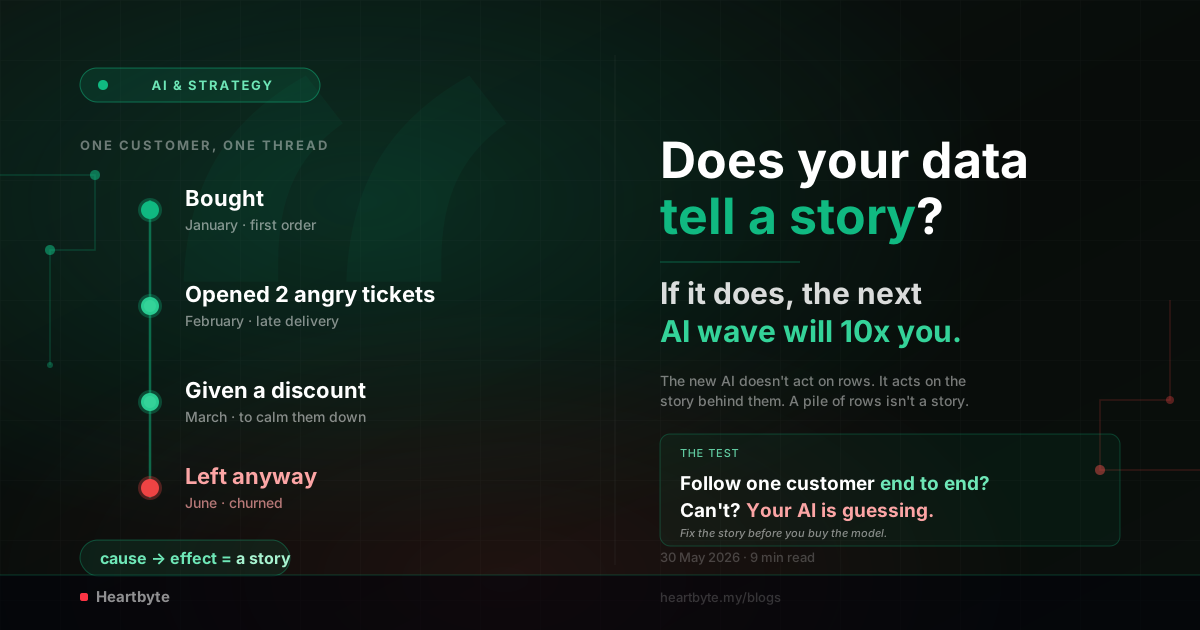
Everyone has data. Almost nobody has data that tells a story. The next wave of AI acts on the story behind your rows — not the rows. If yours connects cause to outcome, you're about to pull away from everyone else.
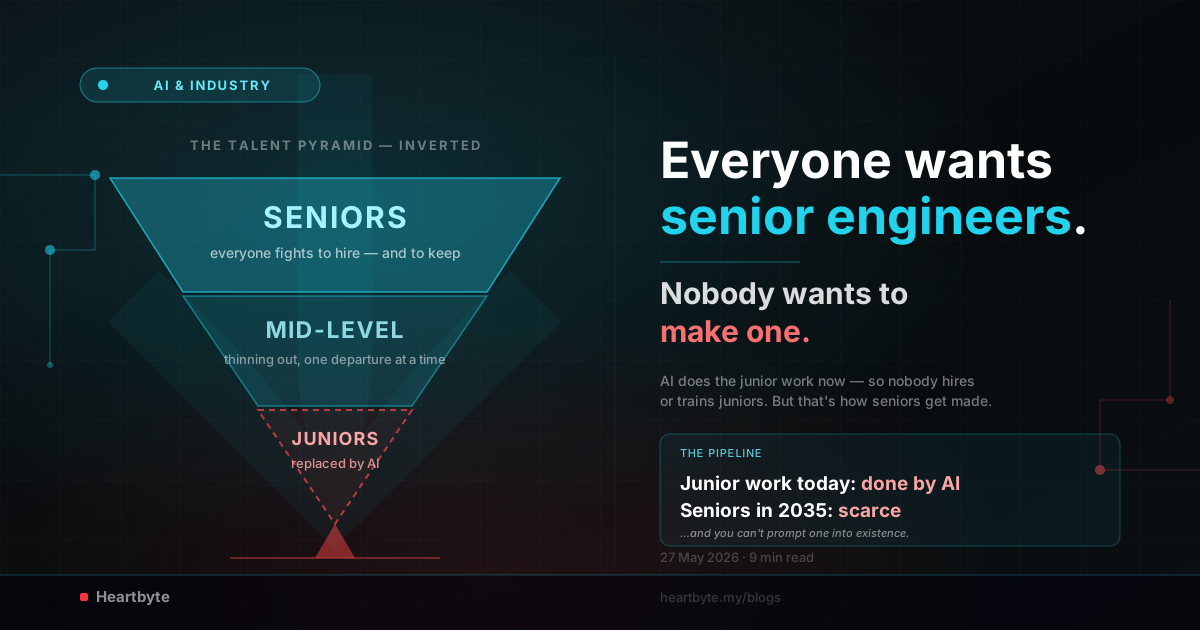
AI already does the work fresh graduates used to learn on — so companies stopped hiring them. But that junior work was the apprenticeship. We've automated away the bottom rung that produces every senior.
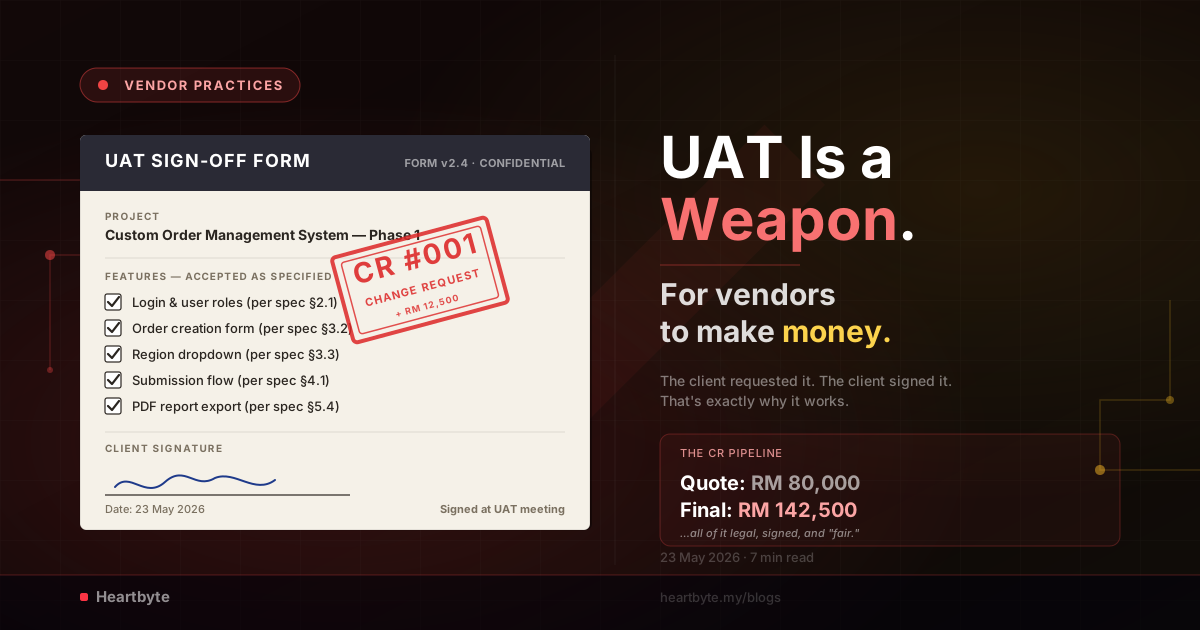
UAT looks like client protection. In custom software, it's the moment the bill starts climbing — legally, with your signature on every invoice, because you asked for the gate that lets the vendor charge you.
The guru in the rented Lambo says AI built him a $30K/mo SaaS in six weeks. So why is the entire business a $497 course? The math nobody on TikTok wants to do.
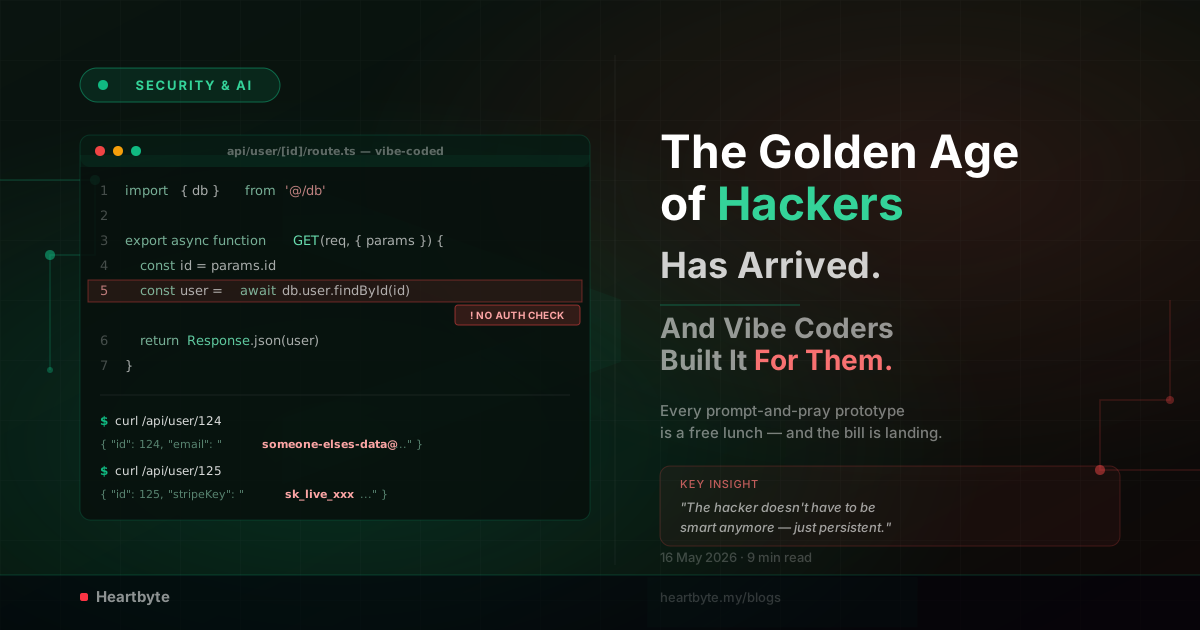
AI gave everyone the power to ship software. It also handed hackers the easiest target environment in history. Every prompt-and-pray prototype is a free lunch — and the bill is starting to land.
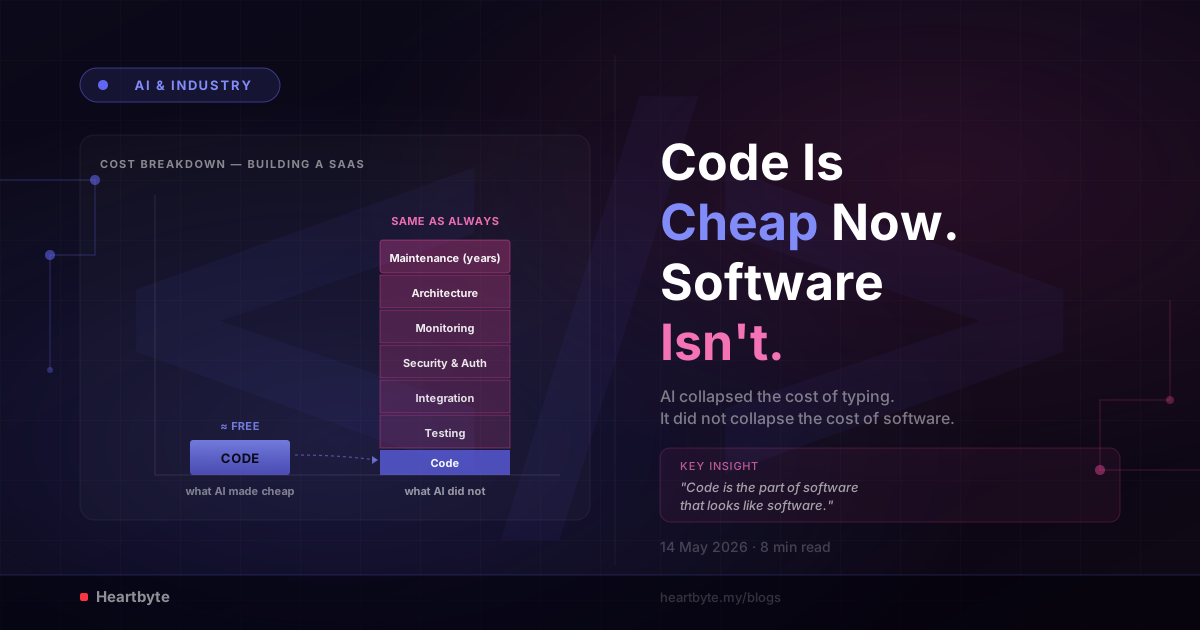
AI collapsed the cost of typing. It did not collapse the cost of software. The part that wasn't code just got more expensive — and a lot of people building things right now haven't noticed.
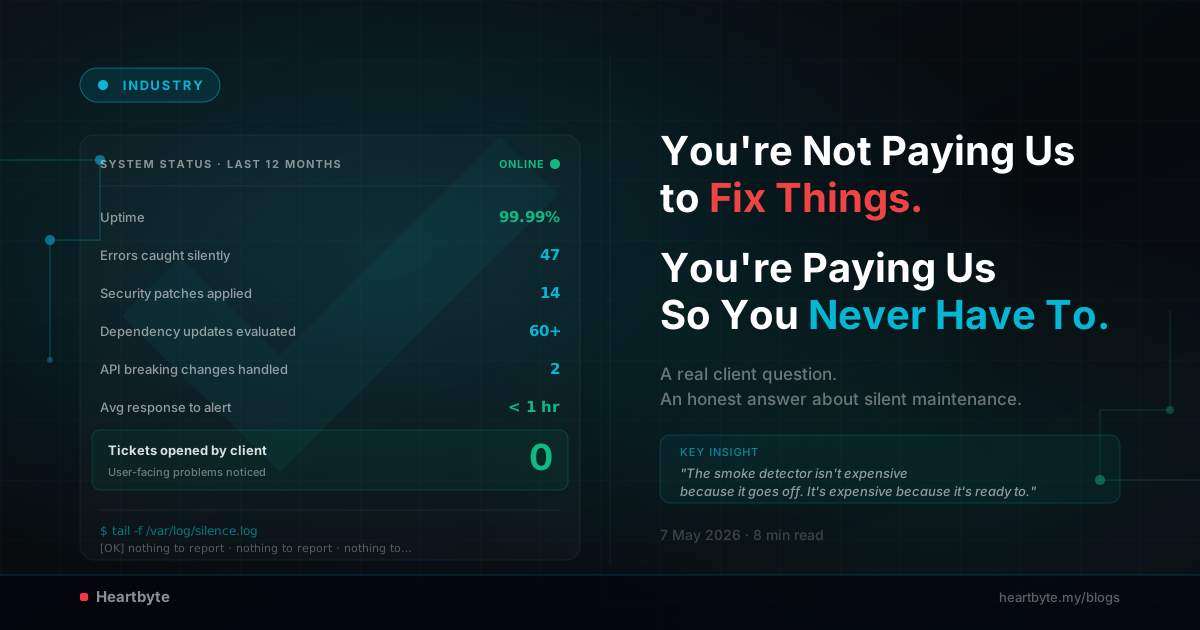
A real client asked why their maintenance bill keeps coming when nothing ever breaks. Here's the honest answer — and why "nothing happens" is exactly what good maintenance looks like.
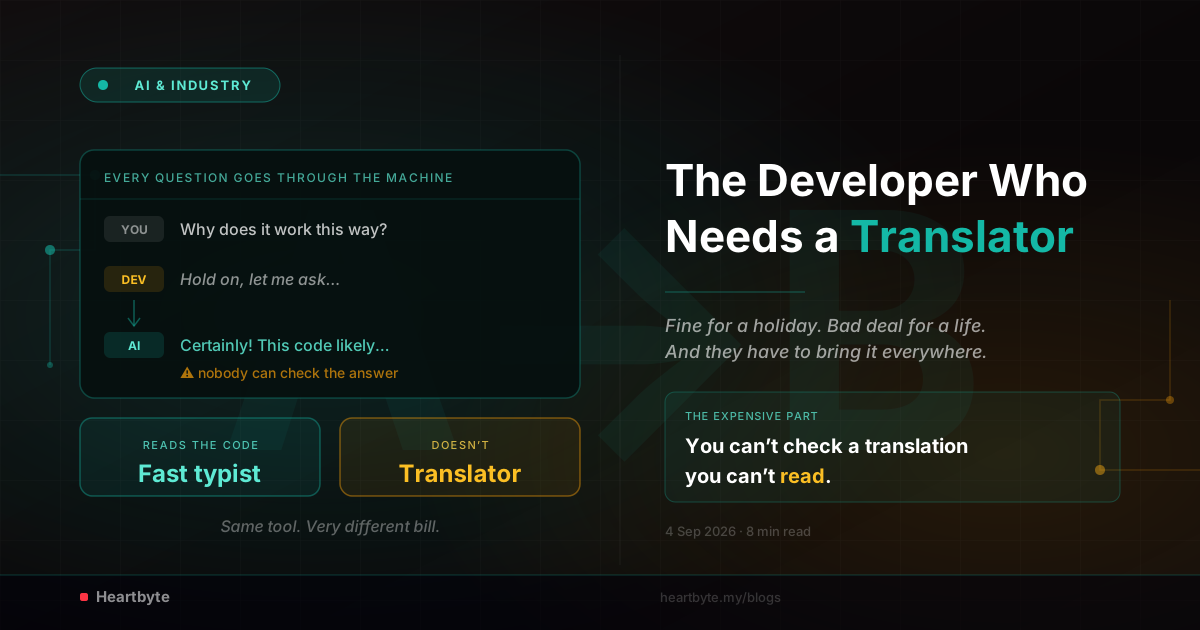
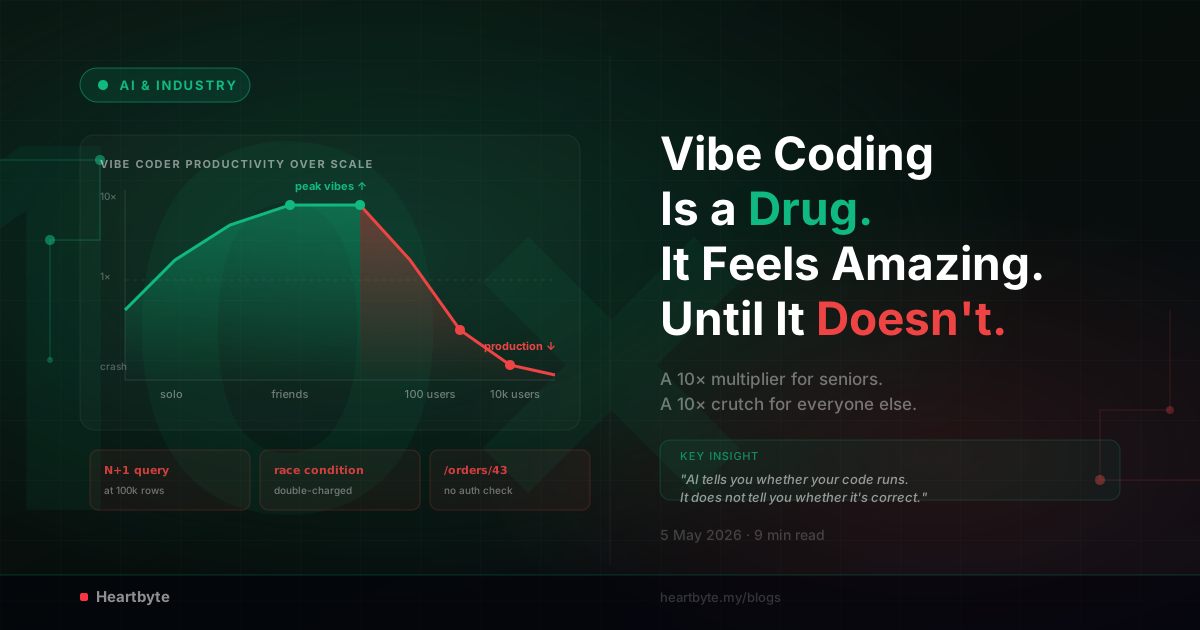
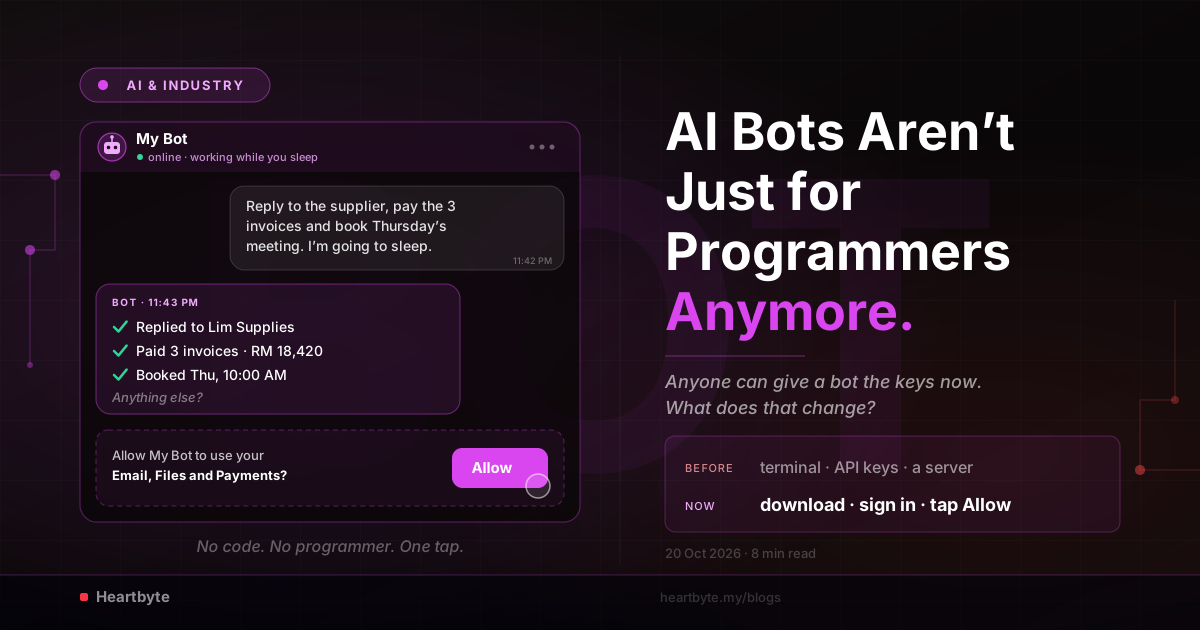
A new species of developer is shipping production code without understanding it. AI is a 10× multiplier for senior engineers — and a 10× crutch for everyone else.
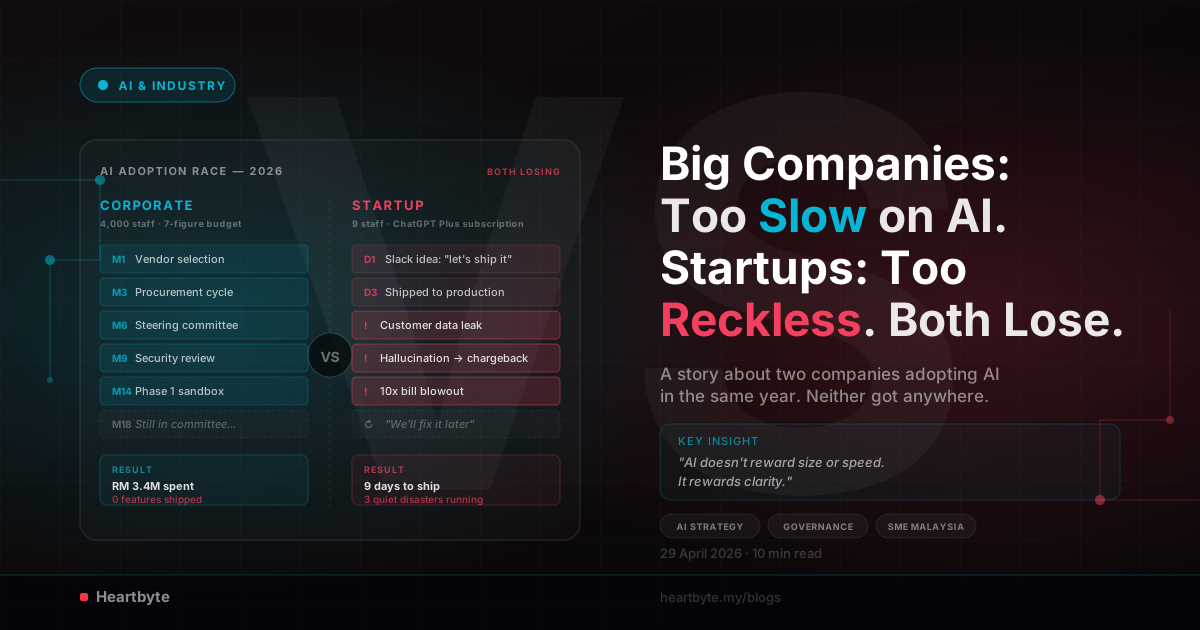
A story about two companies adopting AI in the same year. The corporate spent 18 months in committee. The startup shipped in a weekend. Both ended up nowhere useful.
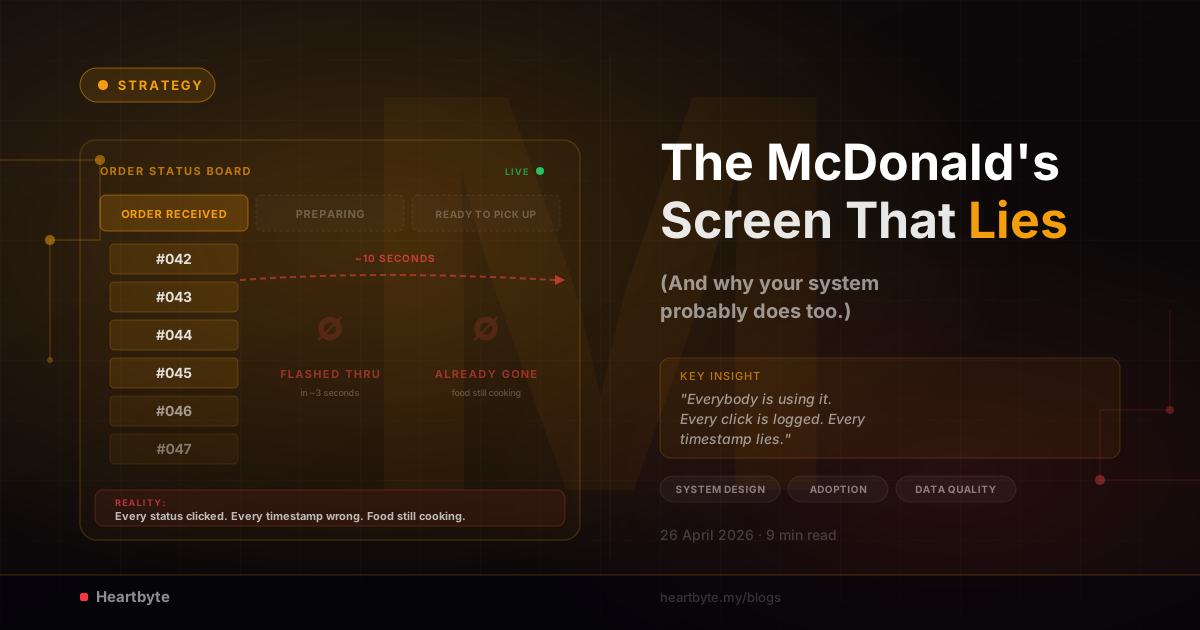
The system works. The data flows. Everybody is using it — and it's still useless. How operational systems quietly become expensive theatre — and what to do about it.
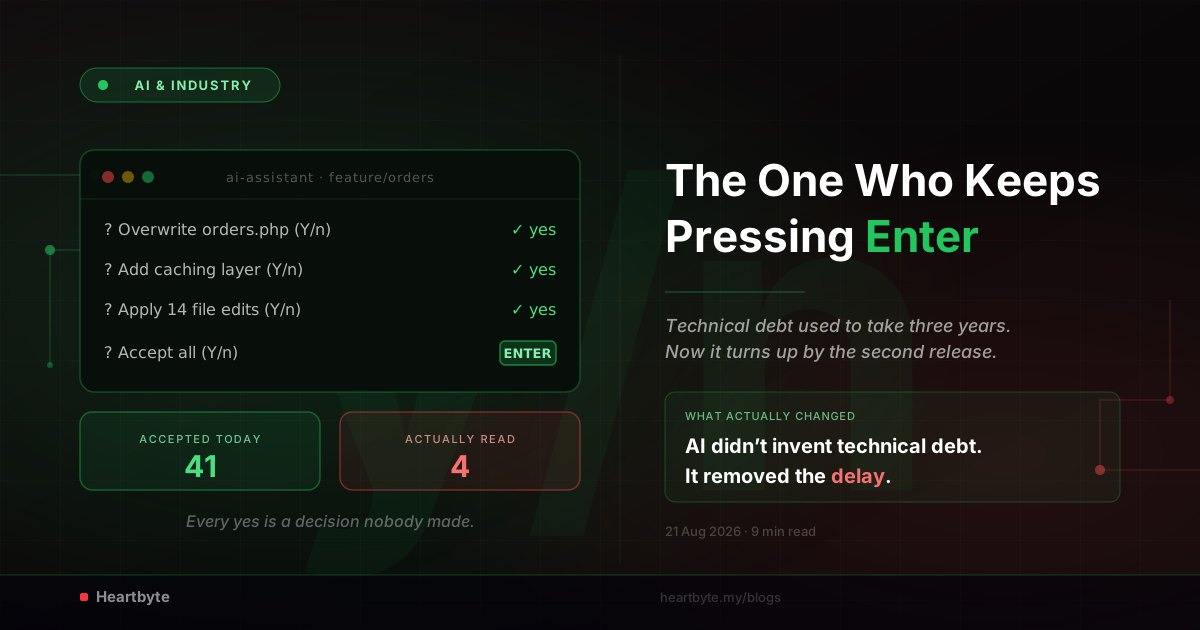
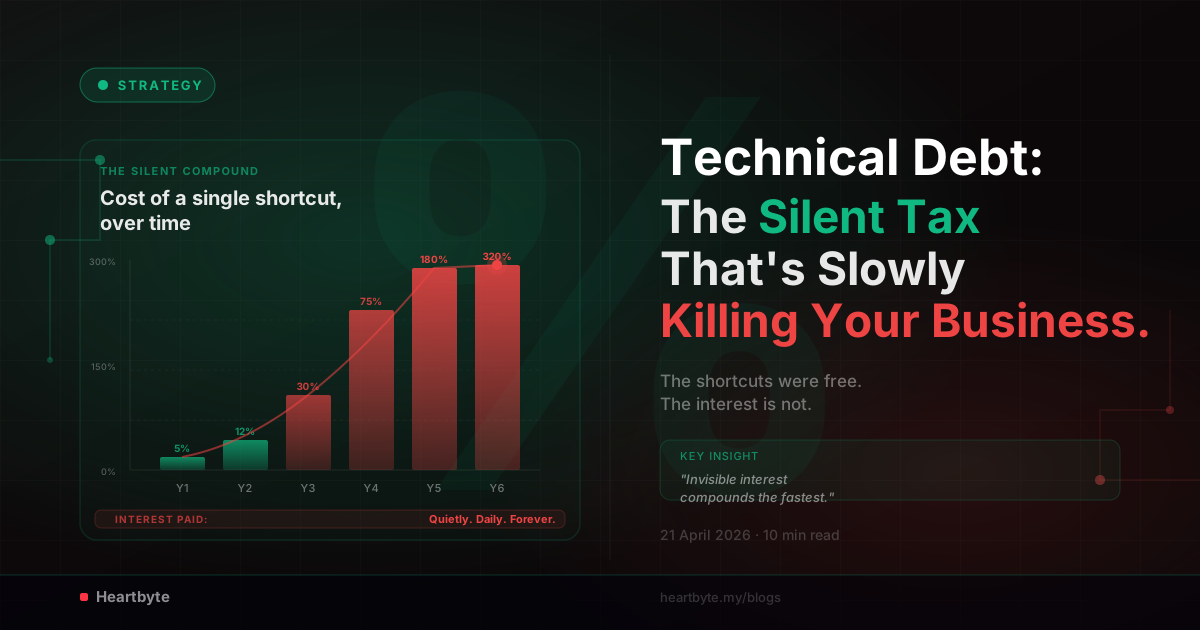
Every shortcut you took three years ago is still charging interest. Technical debt doesn't show up on invoices — it shows up in slow deliveries, scary releases, and burned-out teams.
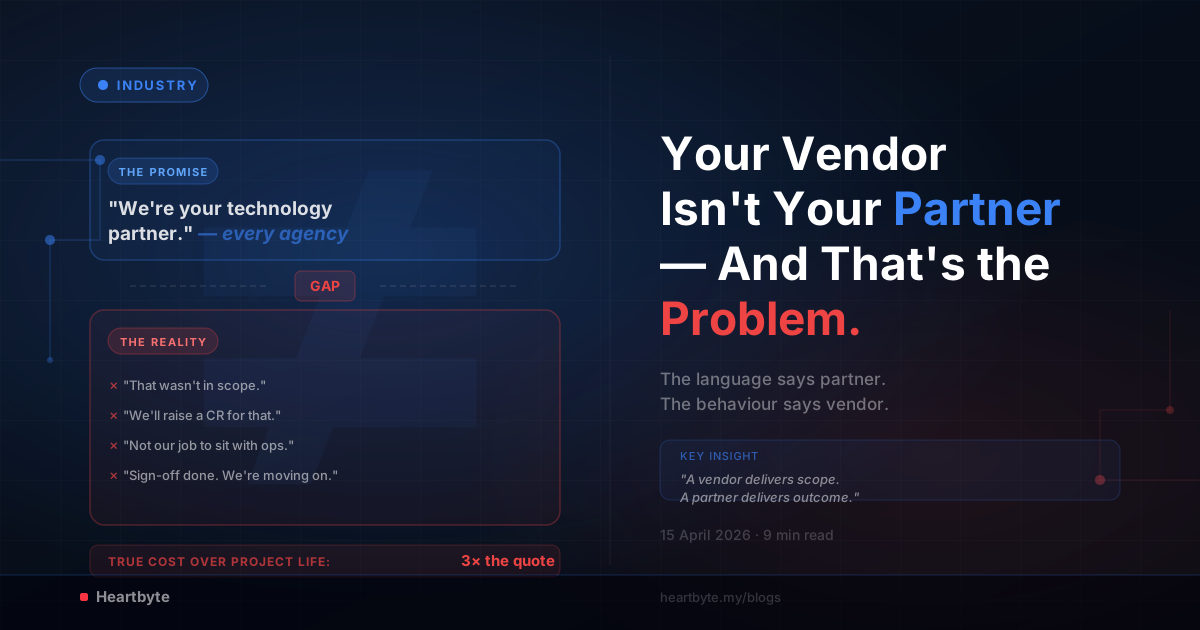
Every agency says "we're your partner." Most behave like ticket-takers. The relationship model itself is broken — and it's costing you more than the project.
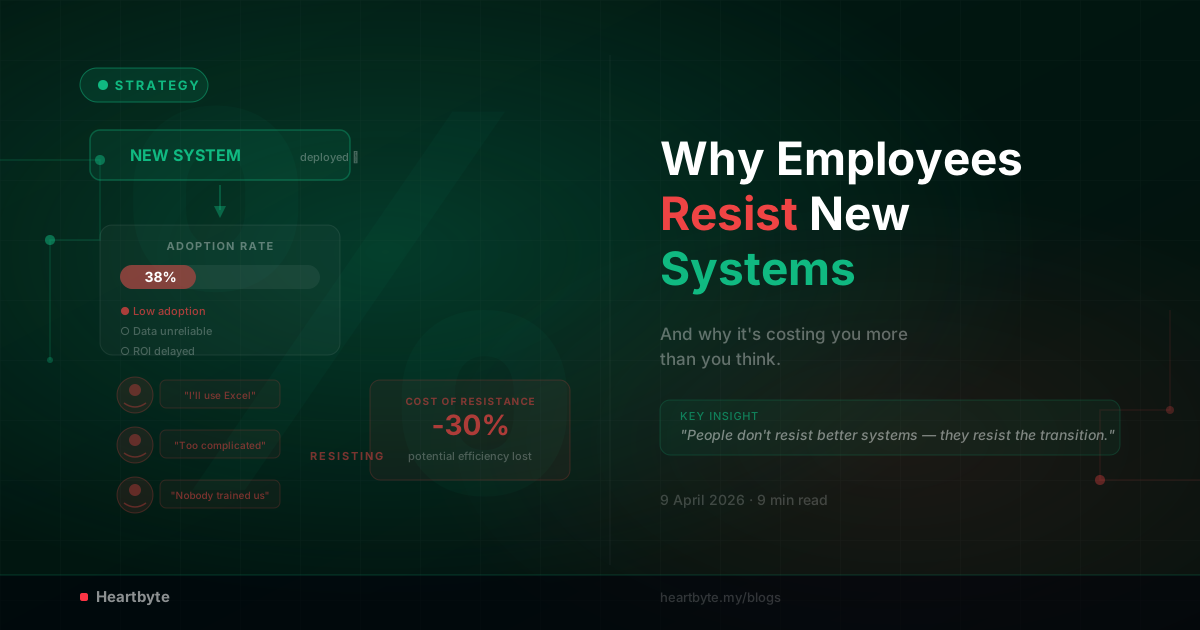
The system was designed to reduce work — but no one wanted to use it. People don't resist better systems. They resist the transition.
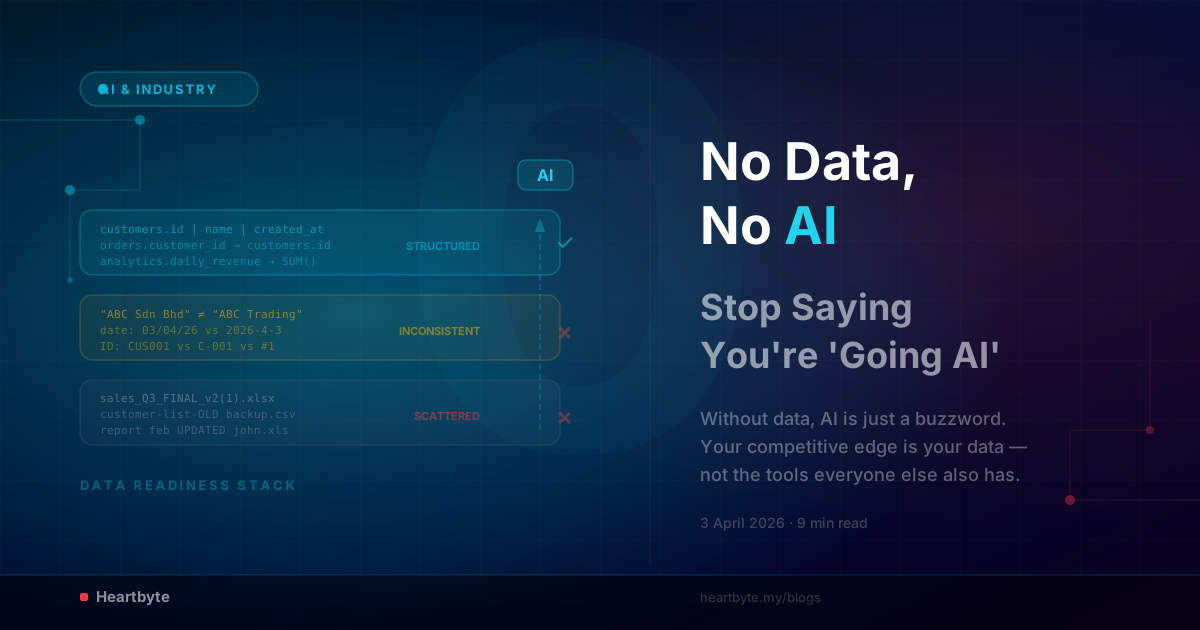
Without data, your AI has no advantage — it can only produce the same generic output as everyone else using the same tools.
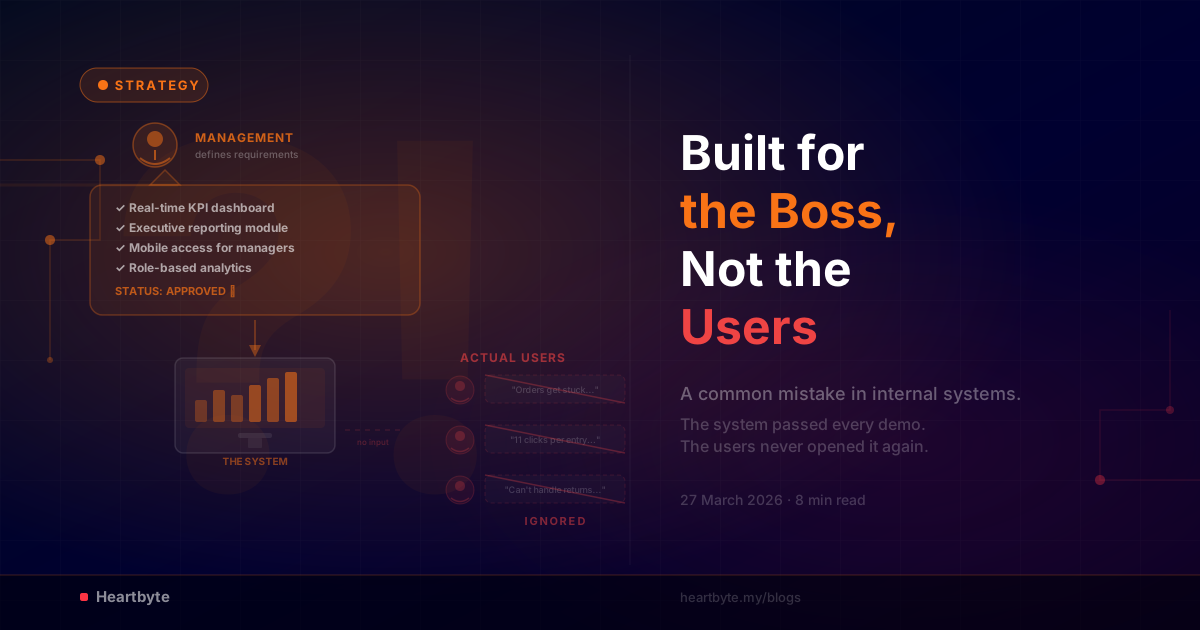
The system passed every demo. Management signed off. But the people who use it daily never opened it again. Here's why user-first development matters.
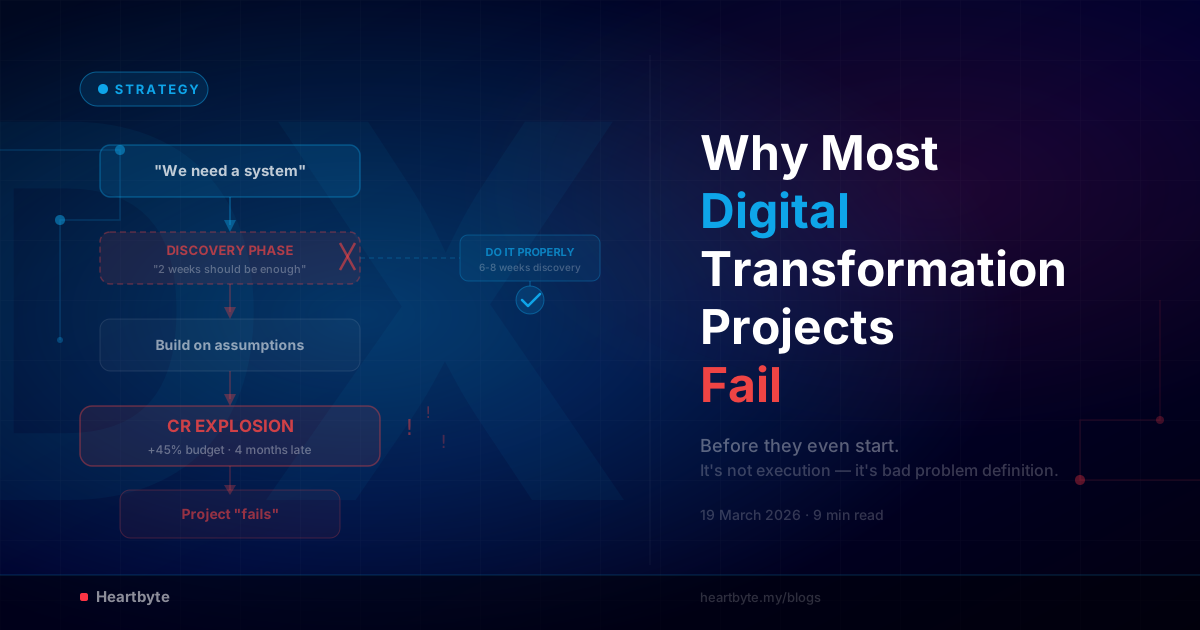
It's not execution — it's bad problem definition. Companies jump into tools before fixing processes, and the CR explosion that follows is entirely predictable.
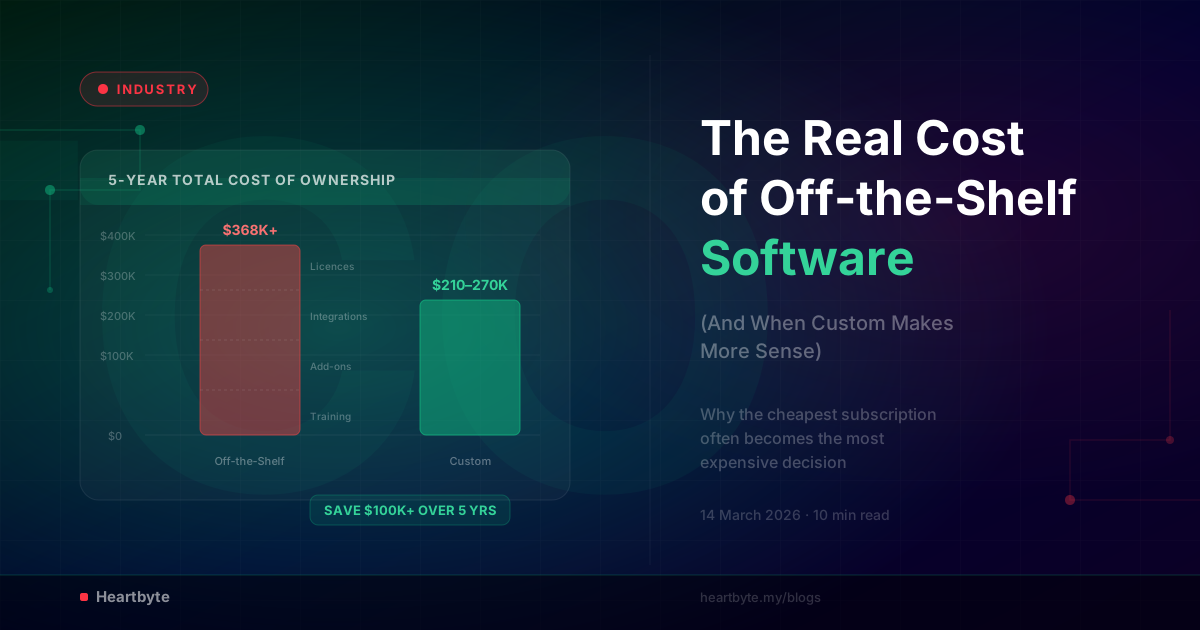
The subscription looked affordable. But licensing, integrations, and workarounds add up fast. Here's how to evaluate the true cost.
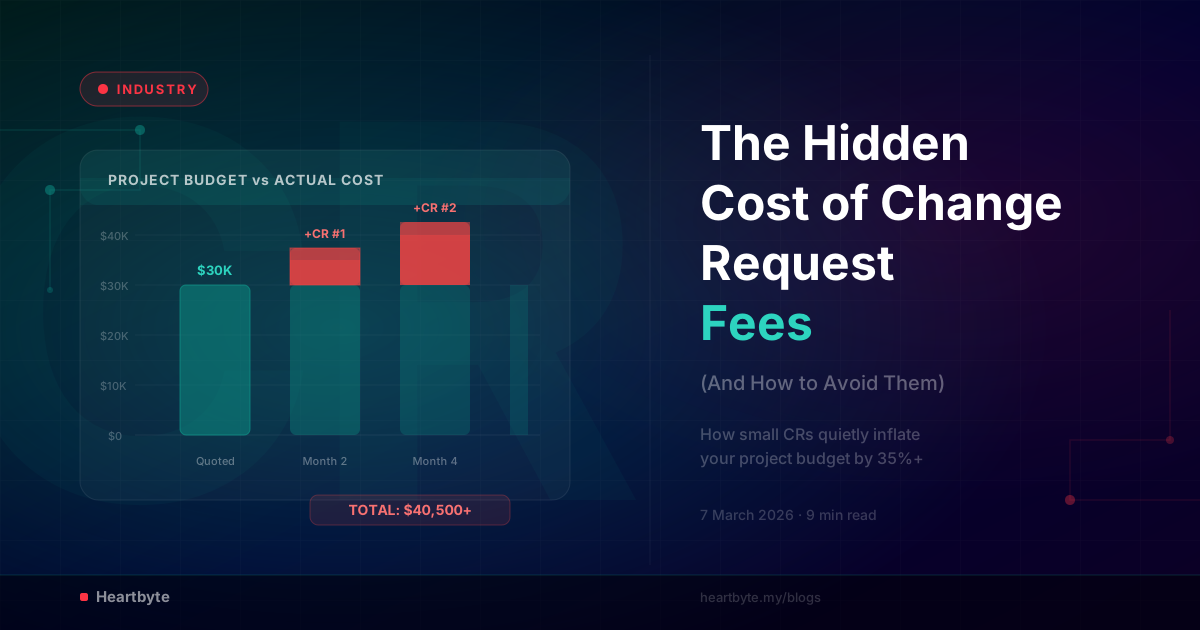
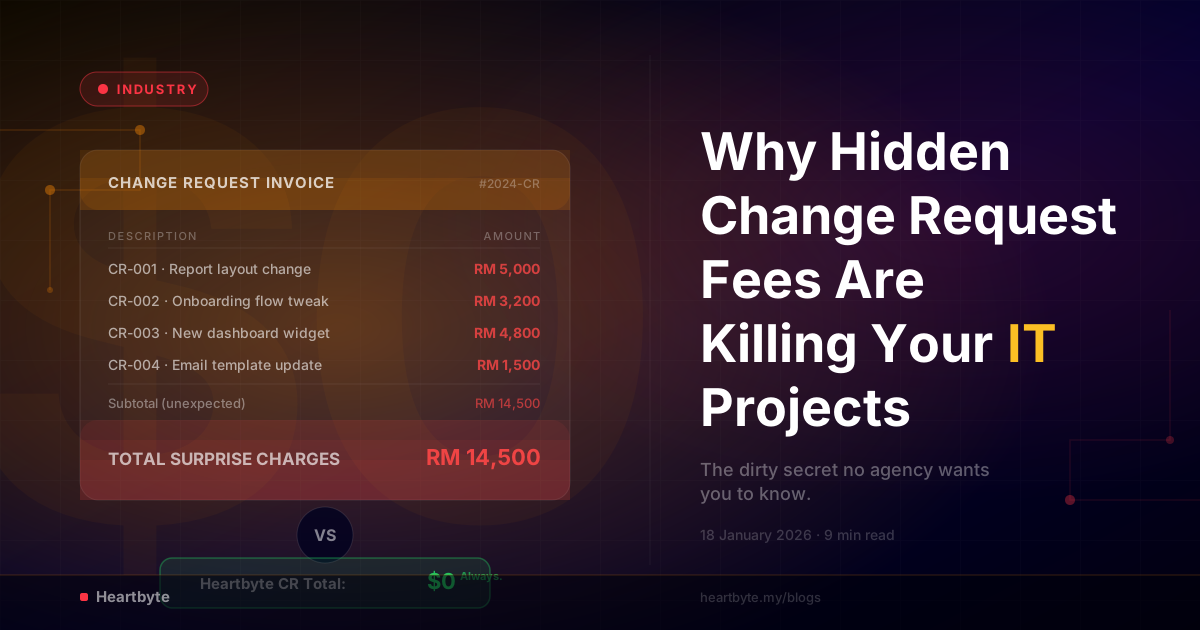
Your project was quoted at $30,000. Six months later, you've paid $40,500. Here's how CR fees quietly inflate budgets — and what you can do about it.
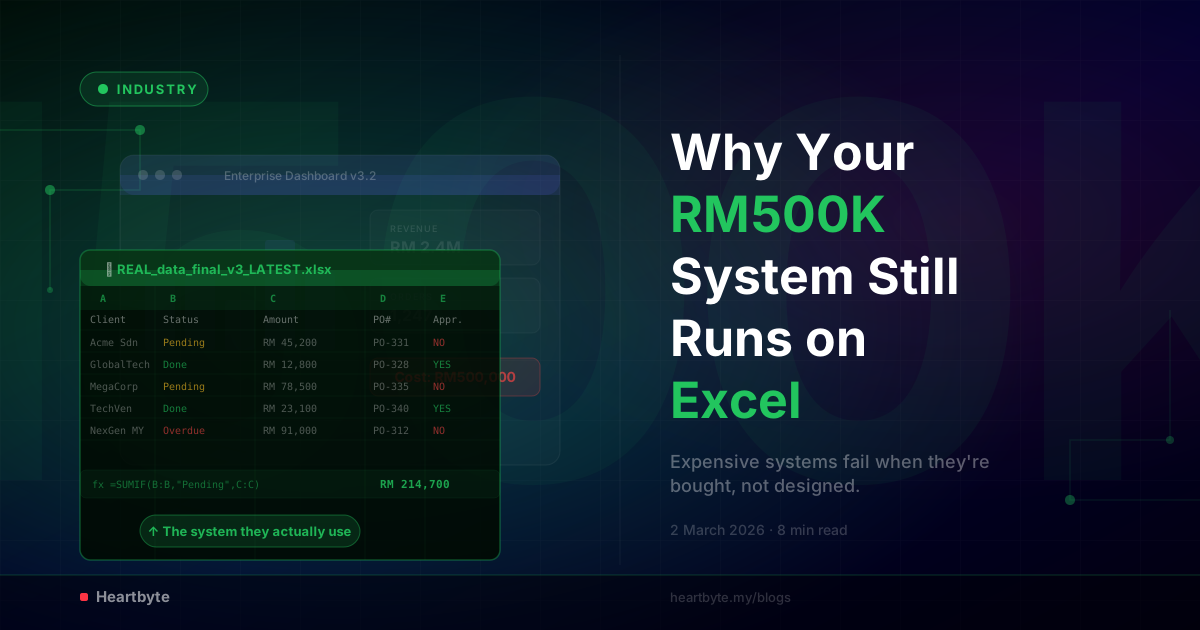
You spent half a million on an enterprise system. Your staff still emails spreadsheets. Here's why expensive ERP implementations fail — and what actually works.
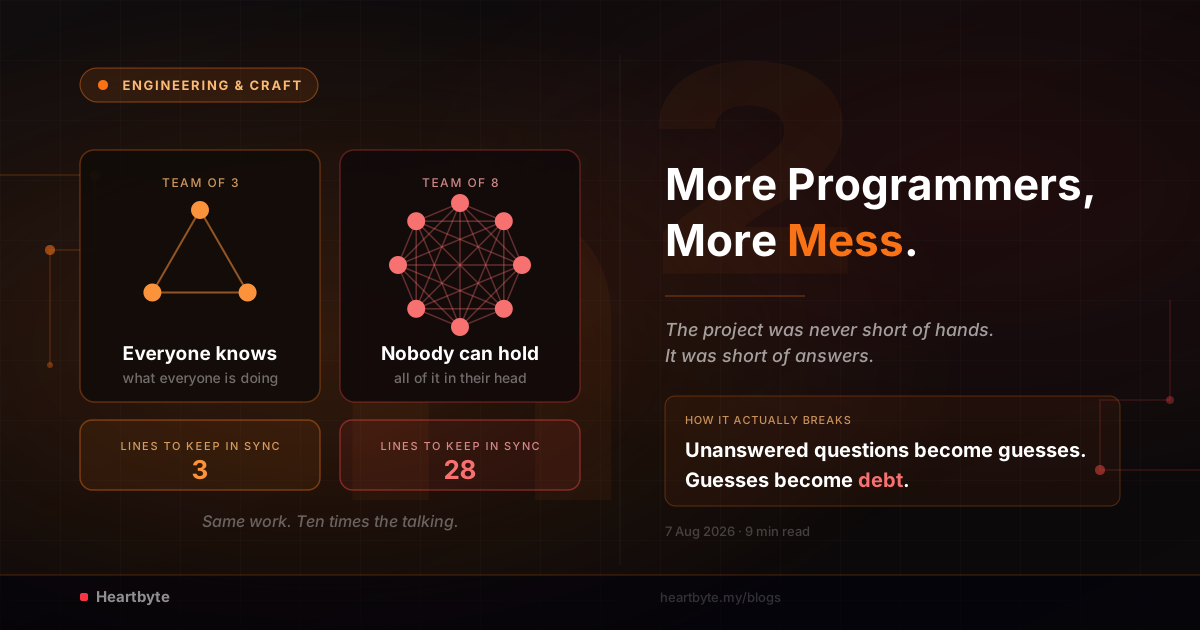
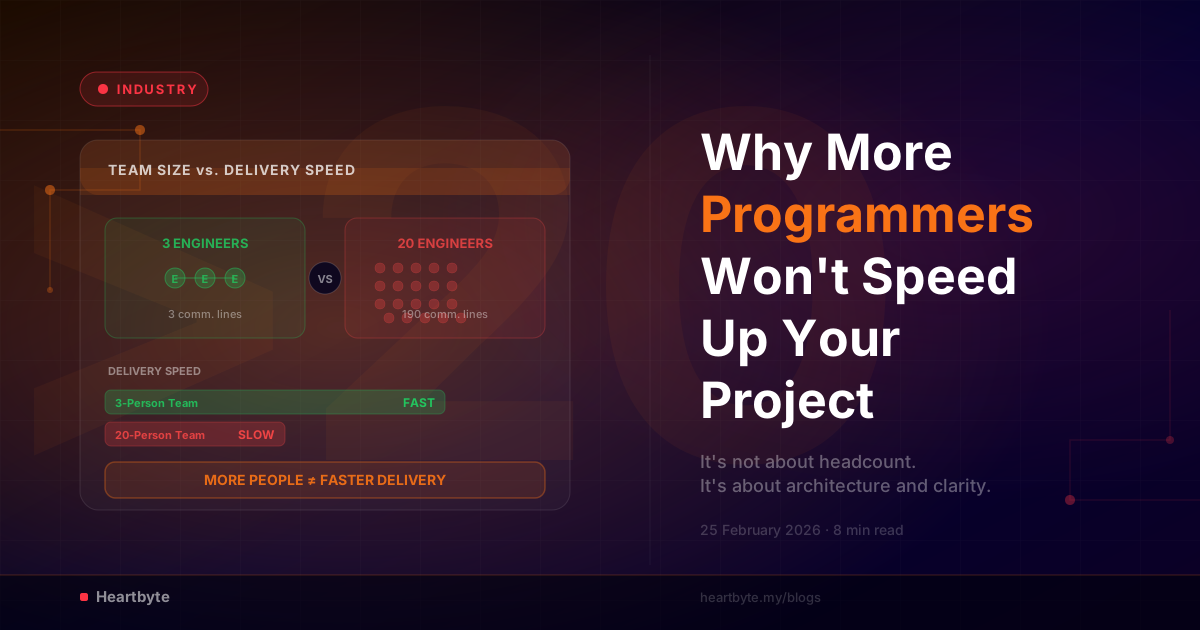
More developers doesn't mean faster delivery. A focused 3-person team can outperform a 20-person IT department — here's why.
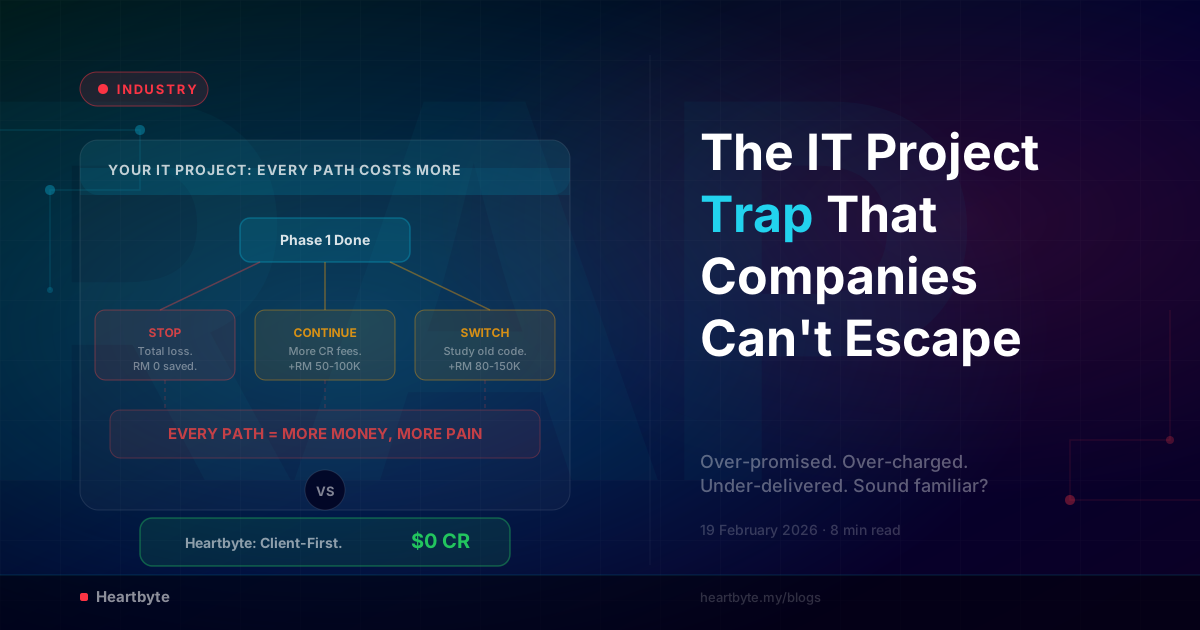
IT projects are long, painful, and expensive — and the industry is designed to keep it that way. Here's why client-first software is the only way out.
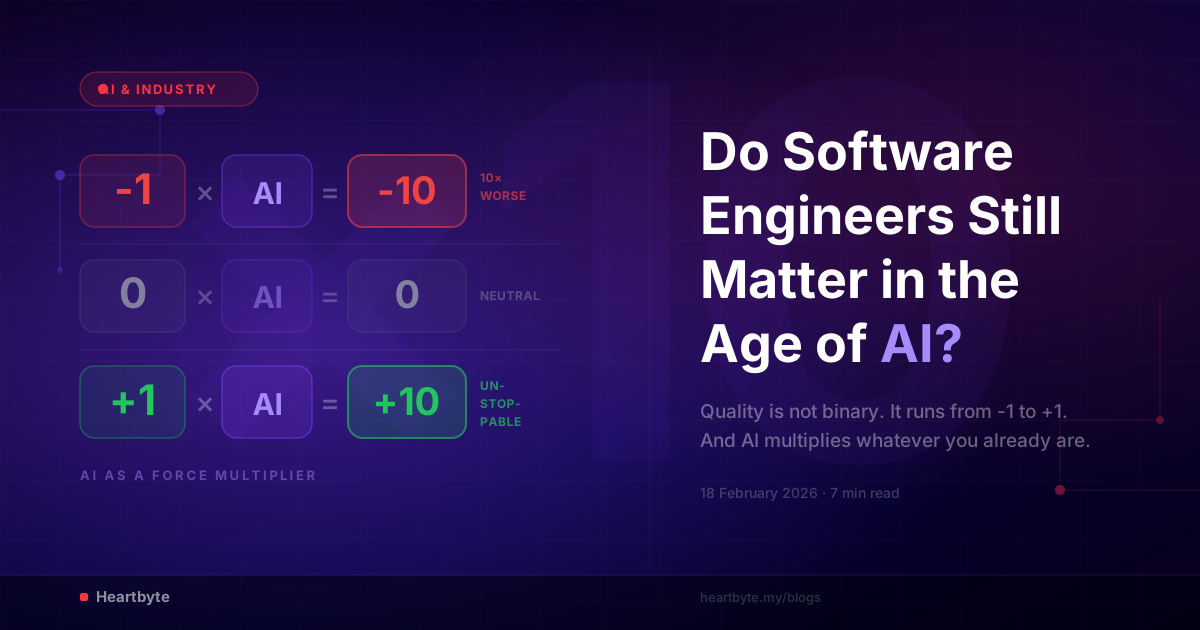
AI is a multiplier. If your skill is -1, multiplying by 10 gives you -10. The engineers who thrive are those who use AI without losing the depth that makes engineering valuable.
The dirty secret of the IT industry that no agency wants you to know — and why the $0 CR fee model is the future of ethical, client-first software development.
More articles coming soon. Have a question you'd like us to write about?
Ask Us AnythingGet a free consultation with our team — no pressure, no obligations. Just honest advice on how we can help your business grow with bespoke software built the right way.